

18 Wheeler Lawsuits
Large commercial trucks, including 18 wheelers, are a threat to passenger vehicles. 18 wheeler accident law firm newport news and federal laws have strict rules regarding hours of service and record-keeping to stop truckers from driving too much, which can lead to fatal motor vehicle accidents.
A New York 18-wheeler accident lawyer with experience can help the victim build an effective case for compensation. In this article, we will discuss a number of important aspects of the 18 wheeler law.
Weight Regulations
If trucks are overloaded and laden with cargo, they could pose a risk. Drivers of trucks have to go through extensive testing and undergo special training before getting behind the wheel. They also require regular maintenance to ensure they are operating in a safe manner. Overloading the vehicles can cause unnecessary stress on the truck and result in mechanical problems like suspension issues or tire blowouts.
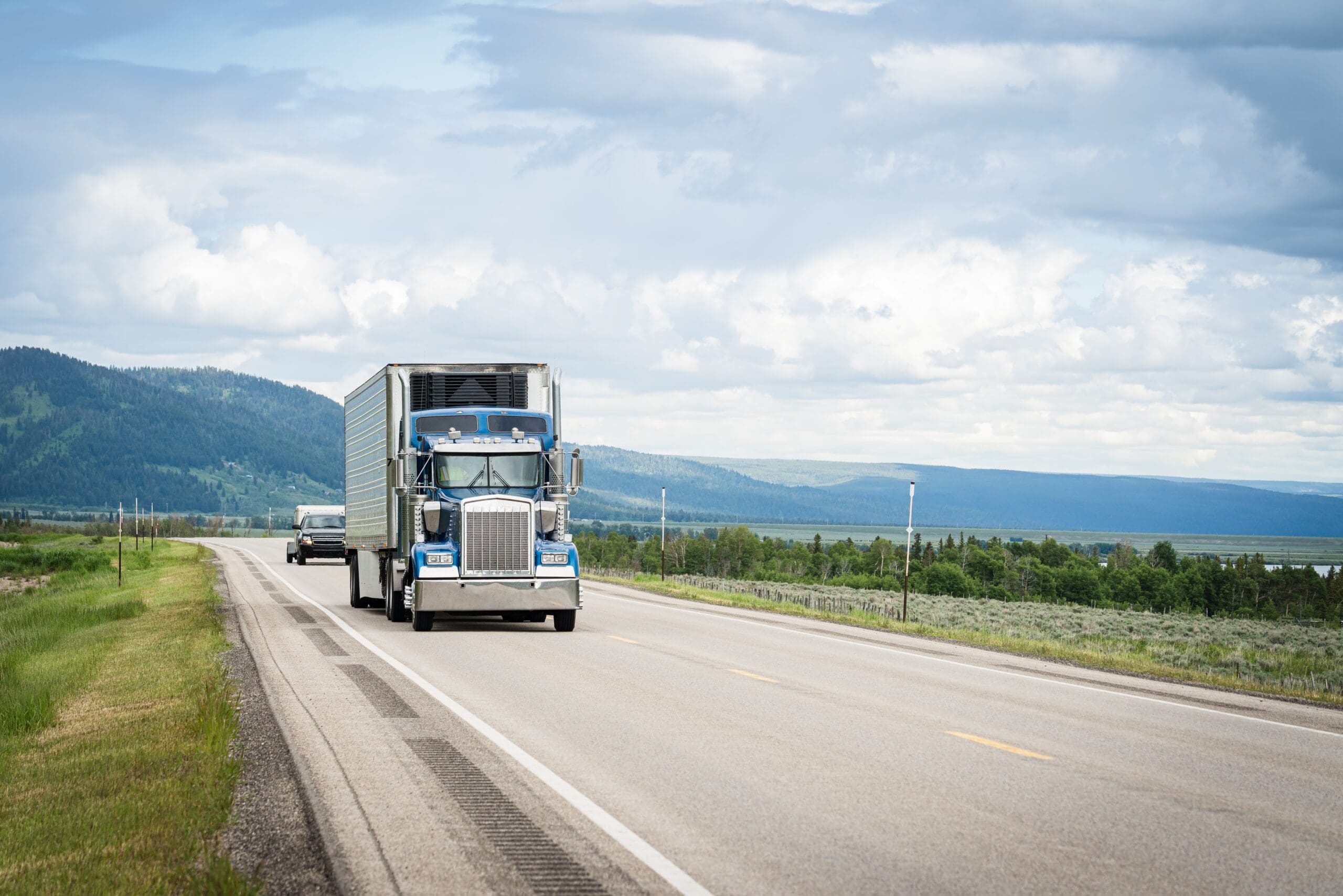
Due because of their size, trucks are bigger than standard passenger vehicles and can be difficult for drivers to see. Blind spots can pose danger for smaller vehicles if truck drivers don't pay attention or fail to check the mirrors. Trucks slow down faster than cars, therefore truck drivers must adhere to all weight restrictions.
Apart from the weight limitations, many states have rules regarding the length of a commercial truck. This is to ensure they're not too close to other vehicles on the road. Truck drivers may be liable to fines if they break these laws.
Some truck drivers break the law, even though they adhere to the rules. An experienced attorney for 18-wheelers will review the specifics of your case and determine if there was a violation. They can also help you get the amount of compensation you are entitled to.
Lane Restrictions
Many people have wondered if it was legal to drive an 18-wheeler in the left lane. In reality, it's illegal for trucks to drive in the left lane, unless they are passing by a vehicle or are preparing to turn left. State laws differ and a trucker who ignores these laws could face serious penalties or be sued by an injured victim of a car crash.
Connecticut General Statutes In the context of 14-230, trucks (or vehicles that have more than 2 axels) are not permitted to driving in the left lane on roads with three or more lanes in both directions. This is even when passing another car or preparing to make a left turn. This lane restriction was enacted to ensure safety, as large trucks might have trouble seeing smaller cars in blind spots in their rear. They also require more space to pass vehicles that are right.
In addition to limitations on lane width In addition, there are regulations regarding how long truck drivers can travel and when. This is because trucking companies want to ensure that their drivers get enough rest and aren't overdriving. Trucking companies must keep logs of their drivers' hours of driving and shifts for state officials, weigh-station personnel or our lawyers to examine following an accident with a dangerous trucker.
Underride Collisions
Trucks are huge vehicles that pose a major danger to other drivers on the road. A minor collision with one of these trucks can cause catastrophic injuries and massive hospital bills. These accidents can result from a wide variety of causes, from negligence to malfunctioning equipment or the weather. A New York 18-wheeler crash lawyer can assist you in building your case and pursuing compensation for your loss.
One of the most dangerous kinds of accidents involving large trucks is an underride collision. When a car that is smaller slides beneath the trailer of a larger truck, the top of the car is typically crushed or sheared off due to the weight of the cargo in the trailer. This could cause fatal neck or head injury.
The most common cause of side underride collisions is lack of visibility on the part of the trucker. Truckers can use road flares and reflector triangles to make their trailers appear more prominent, especially during low-light conditions. In addition, some motorists may mistakenly assume that a truck is illuminated because of nearby bright lights at trucks or gas stations.
If you are involved with an accident that involves an 18-wheeler truck, the trucking company, their insurance provider and their engineers will immediately assign teams made up of lawyers, investigators and experts to start building their case. You should not contact anyone of these individuals until you've talked to an experienced lawyer regarding your case. An experienced attorney will handle all communication with liable parties while you focus on healing from your injuries.
Liability
18-wheelers also known as semi trucks or tractor trailer trucks, are large commercial trucks that pose a threat to all road users. Their massive size makes them difficult to maneuver and leads to many deadly multi-vehicle accidents. They are vulnerable to rear-end collisions and frequently carry dangerous loads.
A lawyer for truck accidents experienced in the field can assist victims who have been involved in accidents involving large trucks to receive fair compensation for their losses. Victims could be entitled to compensation for medical bills or loss of wages, property damage and more. An attorney may use the facts of a case and legal precedents to determine who should be held accountable for an accident.
Trucking companies are governed by strict federal regulations regarding safety as well as training and maintenance of their vehicles and their drivers. A truck accident lawyer who has experience can analyze the accident and determine if these rules were broken. The lawyer can also review the log book of the driver or download vital data from the truck's black box and look over the wrecked truck to find important evidence.
Vicarious liability laws allow victims to get compensation from their employers when the truck driver is accountable for an accident. However, the truck driver could be acting as an independent owner-operator in a personal injury case. In these cases the victim could seek compensation from the truck driver and could be able to seek compensation from his or her personal insurance policies.